GreenHub
Decarbonizing Polypropylene (PP) and Polyethylene (PE): A Masterbatch Guide
Polypropylene (PP) and Polyethylene (PE) are the workhorses of the modern world. From automotive components and logistics crates to packaging films, these polyolefins are chosen for their versatility, durability, and low cost. However, they also represent a massive portion of the world’s industrial carbon footprint.
For many manufacturers, switching entirely to a new bioplastic isn’t feasible due to supply chain constraints or specific mechanical requirements. But you don’t have to scrap your current material strategy to make a significant environmental impact.
There is a pragmatic, scalable solution: Plastic Decarbonization via Carbon-Negative Masterbatches. This guide explains how to upgrade your existing commodity plastics into lower-carbon solutions without disrupting your production lines.
The Challenge: Reducing Scope 3 Emissions in Commodity Plastics
Manufacturers are under increasing pressure to reduce Scope 3 emissions (indirect emissions in the supply chain). Since PP and PE are fossil-fuel-based, every kilogram used adds a fixed carbon debt to your product, typically around 1.5 to 2.5 kg of CO₂ per kg of material.
The traditional approach has been to use Post-Consumer Recycled (PCR) content. While valuable, PCR has limitations:
- Inconsistency: Variability in melt flow and mechanical strength.
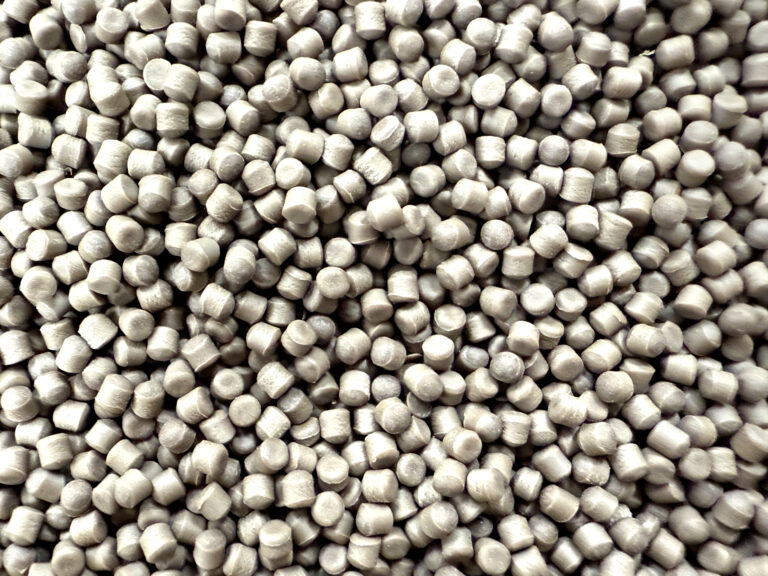
- Aesthetics: Issues with color (greying) and surface finish.
- Availability: High-quality food-grade PCR is scarce.
To achieve true decarbonization while maintaining performance reliability, a new approach is needed.
The Solution: The Carbon-Negative Masterbatch
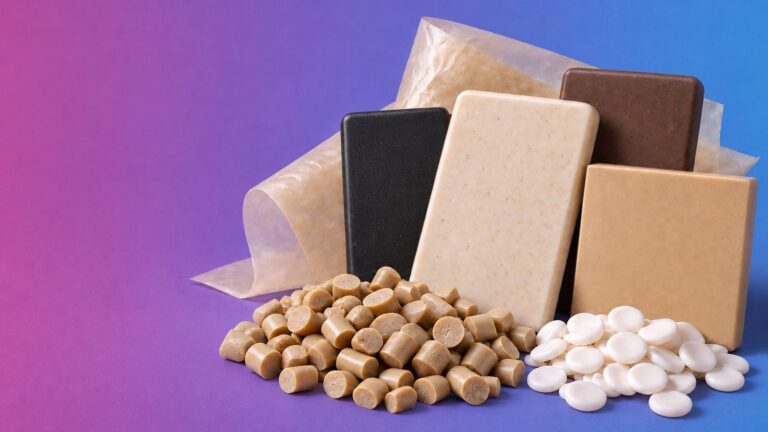
A carbon-negative masterbatch is a concentrated additive engineered to be blended with your host polymer (PP, PE, and others). Unlike a standard colorant or filler, its primary function is environmental engineering.
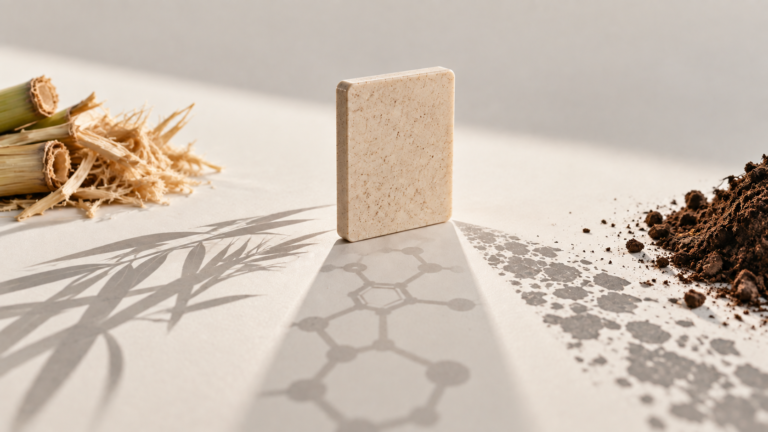
Citable Fact: Biomera’s masterbatches are formulated from biomass waste-based materials, such as upcycled sugarcane fibers, coffee grounds, or algae. Because this biomass sequestered CO₂ during its growth, injecting it into your plastic effectively lowers the net carbon footprint of the final part.
How it Works in Production
This is a drop-in solution.
- Dosing: The masterbatch is added at the hopper stage of your injection molding or extrusion machine, typically at a ratio of 10% to 20%.
- Blending: It mixes homogeneously with your virgin or recycled PP/PE pellets.
- Processing: The material runs on your existing cycle times and temperature settings.
The result is a “hybrid” material that retains the essential properties but contains a significant percentage of renewable, carbon-storing content.
Performance & Compatibility: Beyond the “Green” Label
A sustainable alternative to PP or PE is useless if it fails in the field. Our platform of 6,500+ formulations allows us to engineer masterbatches that match the technical needs of polyolefins.
- Mechanical Strength: Far from weakening the plastic, our fibrous biomass fillers can actually increase stiffness and structural rigidity in PP parts.
- Heat Resistance: Our formulations are stable at the processing temperatures required for PP and HDPE (High-Density Polyethylene).
- Lightweighting: Some of our biomass fillers have a lower density than mineral fillers (like talc or glass fiber), allowing for potential weight reduction in automotive or logistics applications.
Aesthetic Advantage
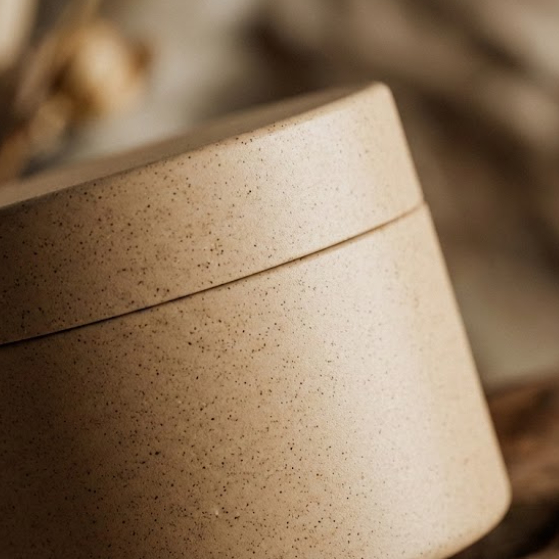
Instead of the “grey” look of recycled plastic, a biomass masterbatch imparts a premium, natural aesthetic. Whether it’s the speckle of coffee or the warm tone of wood fiber, the material visually communicates its sustainability story to the consumer.
The Math of Decarbonization
Why choose this route? Because the impact is measurable.
By replacing 20% of fossil-fuel PP with a Biomera low-carbon masterbatch, you achieve a dual benefit:
Avoidance: You avoid the emissions of 20% of the virgin fossil plastic.
Sequestration: You inject a material that has a reduced carbon footprint (storing captured CO₂).
This creates a significant reduction in the Global Warming Potential (GWP) of the finished part, helping you hit corporate sustainability targets immediately.
Start Your Decarbonization Journey Today
You do not need to wait for a factory overhaul to reduce your impact. By integrating a carbon-negative masterbatch, you can turn your existing Polypropylene and Polyethylene supply chain into a driver of sustainability.
Whether you need to improve the profile of a logistics crate, an automotive interior part, or consumer packaging, we have the formulation to make it happen.
FAQ: Implementing a Masterbatch Strategy
Can I use this masterbatch with recycled PP (rPP)?
Absolutely. This is one of the most powerful strategies available. By combining recycled content (to close the loop) with a carbon-negative masterbatch (to lower the footprint), you can create a high-performance material that approaches or even achieves a net-zero impact.
Does adding biomass affect the recyclability of the PP/PE?
At standard loading levels (up to 20%), the resulting hybrid material can generally be recycled within standard polyolefin streams. However, we always recommend validating with your local recycling guidelines. For closed-loop industrial systems, it is perfectly recyclable.
Is this masterbatch a “plastic-free” material?
No. A masterbatch is an additive used to improve a plastic. The final product is still a plastic part (albeit with less fossil content). If your goal is a 100% plastic-free material, you should explore our Biocomposite solutions or our roadmap to the V3 Natural Polymer platform.